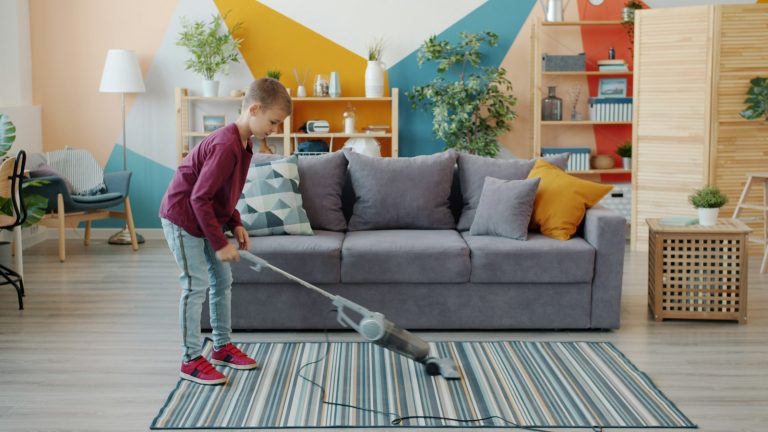
A glass child is the brother or sister of a child with intense needs — a disability, a chronic illness, a serious behavioral or mental health condition — who quietly grows up feeling invisible. The name is heartbreaking and precise: parents are so focused on the sibling who needs them most that, when they look at this child, they seem to look straight through them, as if they were made of glass.
Here is the short answer. A glass child is not neglected in any obvious way and is usually deeply loved. But because their needs look small next to a sibling’s, they learn to shrink those needs, become “the easy one,” and carry a hidden weight of guilt, anxiety, and self-erasure into adulthood. The good news: once parents can name it, small and specific changes help these children feel seen again.
Psychologists note that the emotional needs of a glass child are easy to overlook precisely because these children learn to ask for so little; groups like the American Psychological Association emphasize that every child needs consistent one-on-one attention to thrive. Recognizing the pattern early is how families keep these siblings from disappearing into the background.
What is a glass child?
A glass child is a sibling whose own developmental and emotional needs get eclipsed by a brother or sister who requires far more attention and care. The term was popularized by Alicia Meneses Maples, who grew up with two brothers with disabilities and described the experience in a widely shared 2010 TEDx talk. Her definition of “glass” has two layers: parents can see right through these children to the sibling behind them, and the children themselves often feel fragile in ways no one notices.
Crucially, “glass child” is not an accusation against parents. It describes an almost unavoidable dynamic in families stretched thin by a child’s serious needs. Attention is finite. When one child’s needs are loud and constant, the quieter child’s needs get postponed — again and again — until being overlooked starts to feel normal.
This is more common than most people realize
About one in five children in the United States has a special health care need, according to national survey data — which means a very large number of siblings are growing up in exactly this position. Glass children are not a rare edge case; they are sitting in classrooms everywhere, being praised for how little trouble they cause.

Glass children are usually loved deeply — but their needs get postponed until being overlooked feels normal. Photo: Bruno Nascimento / Unsplash.
What are the signs of a glass child?
The signs of a glass child are easy to miss precisely because they look like good behavior. These children tend to become “no trouble at all,” and that ease is often the symptom rather than the reward. Common patterns include:
Compulsive self-sufficiency. They stop asking for help, sometimes stop asking for anything, because they have absorbed the message that the family cannot spare more.
Perfectionism and people-pleasing. Being good, achieving, and never adding stress becomes their way of earning attention and easing their parents’ load.
Guilt about their own feelings. They feel they have no right to struggle when a sibling has it “so much worse,” so they bury frustration, jealousy, and grief.
Hyper-maturity. They take on caretaking and emotional labor beyond their years — a pattern family therapists call parentification, where a child is pushed into an adult role too early.
Research on siblings of children with chronic illness and disability backs this up: studies have found these siblings are at higher risk for internalizing problems such as anxiety and depression, in part because their distress stays quiet and unaddressed. The child who never complains may be the one struggling most.
What is the long-term impact on glass children?
The long-term impact is that many glass children become adults who are exquisitely attuned to everyone else’s needs and disconnected from their own. The survival strategy that worked in childhood — be low-maintenance, anticipate others, do not be a burden — hardens into codependency, difficulty setting boundaries, and a deep discomfort with being cared for. Many describe a lifelong sense that their feelings simply do not count.
None of this means the sibling relationship is bad, or that these adults are broken. Many glass children also grow up unusually empathetic, resilient, and responsible. But the empathy tends to be aimed outward, and learning to turn it toward themselves is often the work of adulthood. If you recognize yourself here, our piece on parental burnout and the broader theme of carrying invisible loads may resonate.

Small, protected one-on-one time tells a glass child their needs matter too. Photo: Nienke Burgers / Unsplash.
How can parents help a glass child feel seen?
Parents help a glass child feel seen by giving them protected, predictable attention and permission to have needs. You cannot make a family’s demands equal, but you can make sure the quieter child is not perpetually last. A few practical moves matter more than grand gestures:
Protect one-on-one time. Even fifteen unhurried minutes, reliably, does more than an occasional big outing. The predictability is the point — it tells the child they can count on being a priority.
Ask, and then tolerate the answer. “How are you, really?” only works if a hard answer is welcome. Let them be jealous, tired, or angry without rushing to correct it. Meeting a child’s emotion with curiosity rather than dismissal is the heart of good parenting — the same principle behind emotion coaching.
Name the imbalance out loud. Simply saying “I know your brother takes up a lot of our time, and that is hard, and your feelings about it make sense” can dissolve years of buried guilt.
Do not make them a co-parent. Some helping is healthy; becoming responsible for a sibling’s care is not. Watch for a child sliding into the role of the default parent for their sibling.
Let them be a kid. Give them room to be messy, needy, and imperfect. A glass child does not need to be told they are wonderful for being easy; they need to know they are loved even when they are not.
The glass child: common questions
Does having a glass child mean I’m a bad parent? No. It describes a structural strain in families with a high-needs child, not a moral failing. Awareness, not guilt, is what changes things.
At what age does this start? It can begin as soon as a sibling’s needs dominate family life, sometimes in the preschool years. The earlier parents name and address it, the lighter the long-term weight.
Can a glass child and their sibling still be close? Yes. Many stay very close. Acknowledging the glass child’s needs tends to strengthen the sibling bond, not compete with it.
I was a glass child — what helps as an adult? Practicing naming your own needs, allowing yourself to receive care, and sometimes working with a therapist on boundaries and self-worth can be transformative.
The takeaway
A glass child is easy to miss because they work so hard not to be a problem. Seeing them — reliably, on purpose, with room for their real feelings — is one of the most protective things a stretched family can do. For more on raising emotionally secure kids under real-world pressure, explore our Family Life & Parenting collection.
If you or a child in your family is struggling with anxiety, depression, or the weight of caregiving, please consider reaching out to a licensed mental health professional. Support makes a real difference, and no one has to carry it alone.
Written by
Elena Rostova
Elena Rostova is the byline used for articles published by Relationship 99. It is a pen name, not a licensed clinician. Articles here are built from published research in relationship science - including work by John Gottman, Arthur Aron and researchers in attachment theory - with the studies named in the text so readers can check them. How we research, source and review our articles is set out in full at relationship-99.com/editorial-standards. Relationship 99 is not a therapy service, and nothing here replaces advice from a qualified professional.