Being blindsided by divorce is a particular kind of shock: your partner tells you the marriage is over, and you never saw it coming. One person has been quietly leaving for months or years; the other finds out the marriage is ending on the same day they learn it was ever in trouble. If that is you, the disorientation you feel is not weakness. It is what happens when your reality is rewritten in a single conversation.
Here is the short answer. People get blindsided by divorce because the partner who leaves usually grieves the marriage privately long before they announce it, while the partner who stays had no idea the clock was running. By the time it is spoken aloud, one person is at the end of a long emotional process and the other is at the very beginning. That gap — not a lack of love or intelligence — is why it feels so sudden.
Research on marital dissolution shows one spouse is often emotionally checked out long before the other realizes anything is wrong; the Gottman Institute has documented how contempt and withdrawal erode a marriage well before anyone files. Grasping that timeline is the first step to recovering after being blindsided by divorce.
Why do people get blindsided by divorce?
People get blindsided by divorce because of a hidden head start: the leaving partner has often been detaching, doubting, and mourning for a long time in silence. Marriage researchers describe divorce less as a single event than as a slow erosion — a gradual accumulation of unspoken disappointments and quiet withdrawal. When one partner keeps that erosion to themselves, the other has no chance to respond to it. The “sudden” announcement is actually the visible end of an invisible process.
There is also a gender pattern worth knowing. Stanford sociologist Michael Rosenfeld, analyzing the nationally representative How Couples Meet and Stay Together survey, found that women initiated 69% of divorces among heterosexual couples — far more than men. Interestingly, that skew did not appear in non-marital breakups, which were roughly even. Rosenfeld’s interpretation was that some women experience marriage itself as unequal or confining in ways their partners do not notice. Whatever the cause, it helps explain a common scenario: a spouse who believed everything was “fine” while the other had privately reached the end.
“Fine” is often the problem, not the proof
Many blindsided partners protest that the marriage was fine. But “fine” frequently means conflict had gone quiet — and quiet is not the same as healthy. When one partner stops raising problems, it can signal they have given up on being heard rather than that the problems were solved. The absence of fighting sometimes marks the absence of hope.

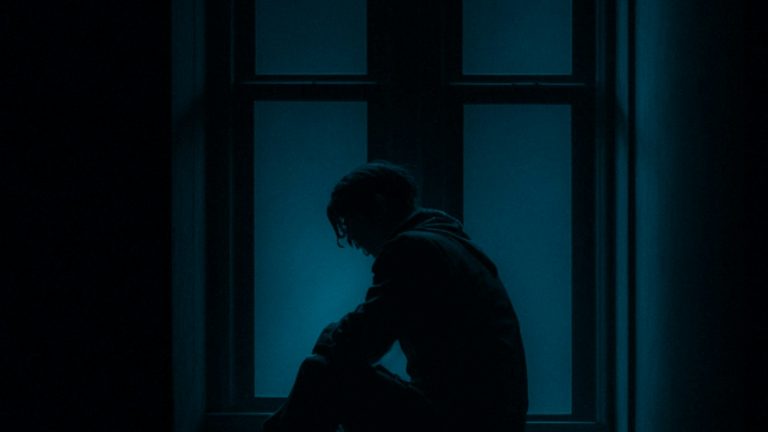
By the time it is spoken, one partner is at the end of a long private process and the other is at the beginning. Photo: Eric Ward / Unsplash.
Why does being blindsided hurt so much?
Being blindsided hurts so much because you are grieving two things at once: the marriage, and your own sense of reality. You are not only losing a partner; you are discovering that your read of your own life was wrong. Trauma researchers note that unpredictability and loss of control intensify distress, and few losses are as sudden and uncontrollable as this one.
Several wounds land together:
The retroactive rewrite. You begin re-examining months of memories, wondering what was real. Anniversaries, trips, ordinary evenings all take on a second, painful meaning.
The confidence collapse. If you missed something this big, you may start to distrust your own judgment about everything, which makes decision-making feel treacherous.
The lag in grief. Your partner may seem “already over it” because, for them, the mourning happened privately and earlier. Their apparent calm against your raw shock can feel like cruelty, even when it is not.
What should you do first when you’re blindsided by divorce?
The first thing to do when you are blindsided by divorce is slow down and stabilize before making any major decision. In the initial shock, your nervous system is flooded and your thinking is not at its best — this is not the moment for irreversible choices about the house, the kids, or a desperate grand gesture to win them back. A few grounded steps help:
Do not beg from panic. Frantic pleading rarely reopens a decision your partner has spent months making, and it can cost you footing you will want later. Steadiness serves you better than desperation.
Protect the basics. Sleep, eat, and lean on trusted people. Ask friends to help you carry logistics while your capacity is low.
Get information before you get advice from everyone. A single consultation with a family law attorney to understand your rights is prudent even if you still hope to reconcile. Understanding your financial picture early matters too — our guide to financial recovery after divorce can help you see the landscape.
Resist interrogating them for a reason that will satisfy you. You may never get an explanation that makes the pain make sense. Demanding one usually deepens the wound.

Stabilize before you make irreversible decisions — shock is not the state to negotiate from. Photo: Vitaly Gariev / Unsplash.
Can a marriage survive after one partner is blindsided?
Sometimes, yes — but only if the leaving partner is genuinely willing to pause, and both people are willing to look honestly at what went unspoken. Reconciliation is not about the blindsided partner performing enough change to earn a stay; it requires the departing partner to re-engage rather than simply manage an exit. When both are willing, discernment counseling — a short, structured process designed for exactly this “one foot in, one foot out” situation — can help a couple decide clearly rather than react.
When reconciliation is not possible, the task shifts to grieving and rebuilding. Ending with as little corrosion as possible protects everyone, especially children; our piece on conscious uncoupling offers a more humane framework. And if your ex is combative or manipulative through the process, the gray rock method can help you disengage from conflict while you find your feet.
Blindsided by divorce: common questions
How could I not have seen it coming? Because your partner most likely hid it, consciously or not. Missing concealed distress is not a failure of love or attention; you cannot respond to a problem you were never shown.
Why does my ex seem fine while I’m devastated? They had a long head start on grieving. Their calm usually reflects earlier private mourning, not a lack of feeling or a sign you cared more.
Should I try to win them back? Focus first on stabilizing yourself. If reconciliation is possible, it will come from honest mutual re-engagement, not from panic-driven pursuit.
How long does it take to recover from being blindsided? There is no fixed timeline, but the disorientation typically eases as you rebuild routine, support, and a sense of your own reliability. Many people describe steadier ground within the first year.
The takeaway
Being blindsided by divorce fractures both your future and your past, which is why it can feel like too much to hold. It does not mean you were foolish, unlovable, or asleep at the wheel — it usually means you were kept in the dark about a decision already made. Steady yourself first, get clear information, and give your grief the time the sudden ending denied you. Our Separation & Divorce collection has more guidance for finding your footing.
If the shock has left you feeling hopeless or unsafe, please reach out for support. In the U.S., you can call or text 988 to reach the Suicide and Crisis Lifeline, and a licensed therapist can help you navigate this loss. You do not have to get through it alone.
Written by
Elena Rostova
Elena Rostova is the byline used for articles published by Relationship 99. It is a pen name, not a licensed clinician. Articles here are built from published research in relationship science - including work by John Gottman, Arthur Aron and researchers in attachment theory - with the studies named in the text so readers can check them. How we research, source and review our articles is set out in full at relationship-99.com/editorial-standards. Relationship 99 is not a therapy service, and nothing here replaces advice from a qualified professional.