Marriage after a baby is the transition no one quite prepares you for. Everyone warns you about the sleep, the diapers, the logistics. Almost no one tells you what a newborn does to the marriage — that the relationship which created this family can quietly become its biggest casualty. If you’ve welcomed a baby and found yourselves more like exhausted co-workers running a tiny, demanding startup than the couple you used to be, you are not failing. You are living through one of the most documented and most underestimated stresses a partnership can face.
The research is striking. John and Julie Gottman, drawing on years of study, found that roughly two-thirds of couples experience a significant drop in relationship satisfaction in the years after their first child arrives. Two-thirds. That means the strain you may be feeling isn’t a sign you chose the wrong person or that your marriage is uniquely fragile — it’s the statistical norm. And because it’s predictable, it’s also, to a real degree, preventable.

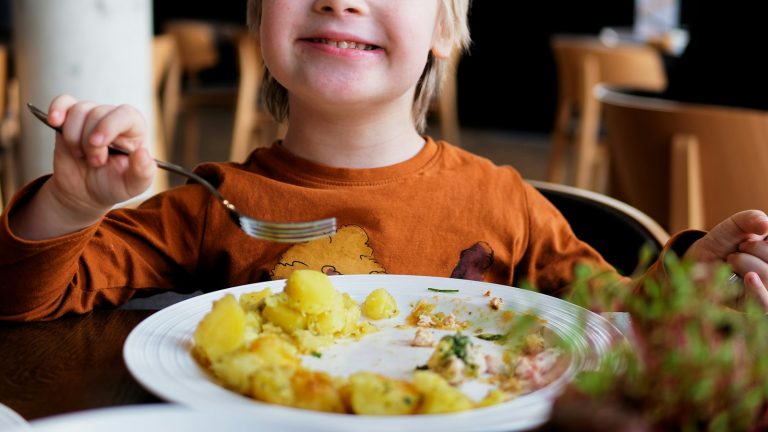
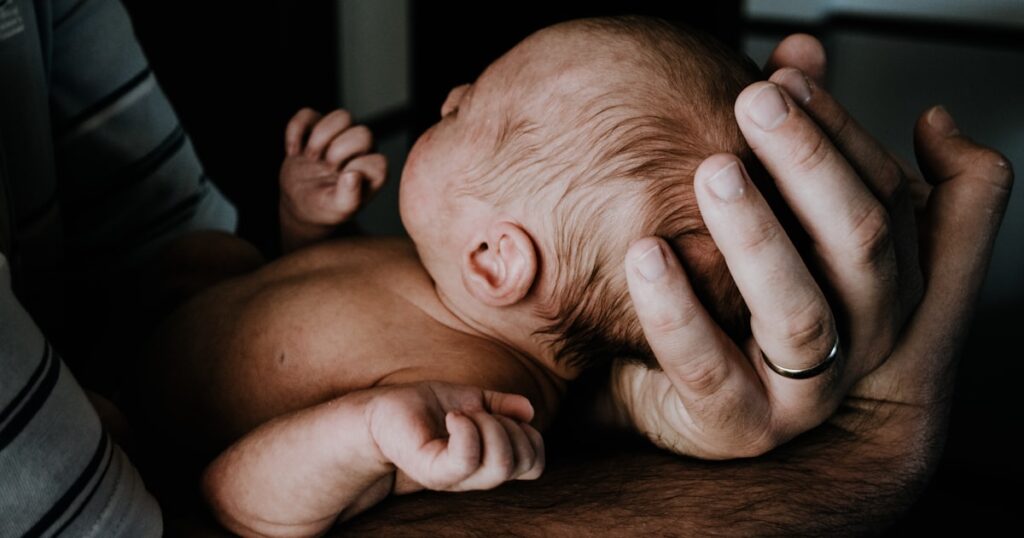
Marriage after a baby strains most couples — knowing that is half the battle. Photo: Kelly Sikkema / Unsplash.
Why marriage after a baby is so hard
Several things hit at once. There’s the obvious: profound sleep deprivation, which shortens everyone’s fuse and shrinks everyone’s patience. There’s the sheer relentlessness — a newborn needs something constantly, and the time and energy you used to pour into each other now flows entirely toward the baby. Couples stop having unhurried conversations, stop touching for no reason, stop being a couple and start being a logistics operation. The friendship that fed the marriage gets starved without anyone deciding to starve it.
Then there’s the part that surprises couples most: resentment. The division of labor that felt fair before a baby often collapses under the new, enormous, invisible workload of keeping a tiny human alive. One partner — still, most often, the mother — tends to absorb the bulk of both the physical care and the mental tracking of everything the baby needs, and quietly burns out. The other can feel shut out, criticized, or unsure how to help. This is the postpartum version of a problem we cover in depth in the mental load, and it’s one of the biggest predictors of how a couple weathers this stage.
The friendship is the foundation
The Gottmans’ central finding about new parents is hopeful: the couples who stay happy are the ones who actively protect their friendship and fondness through the chaos. The marriages that struggle are the ones that let the relationship become purely functional — all tasks, no connection. Knowing this gives you a target. The goal in the newborn fog isn’t grand romance; it’s keeping the small embers of friendship alive so there’s something to rebuild on when you surface.
In practice that means staying interested in each other as people, not just as co-parents. Asking how your partner is actually doing. Knowing what’s stressing them this week. Maintaining the tiny gestures — a text, a coffee made the way they like it, a hand on the back — that say “I still see you.” These bids for connection, which we explore here, matter more than ever precisely when you have the least energy for them.

Protecting the friendship is what carries a couple through new parenthood. Photo: Natali Hordiiuk / Unsplash.
What actually protects the marriage
A few concrete practices make an outsized difference. First, share the load deliberately and talk about it openly, before resentment hardens. Don’t wait for your partner to “notice” what needs doing — and if you’re the one who keeps noticing everything, say so out loud and hand off whole categories of responsibility, not just tasks. Naming the imbalance kindly is far better than silently keeping score.
Second, protect tiny pockets of couple time. Not date nights at a restaurant you’re too tired to enjoy — just fifteen minutes after the baby’s down to sit together without screens, or a standing weekend window where someone else holds the baby and you two are a couple again. It doesn’t have to be big; it has to be reliable. Third, lower the bar and extend grace. This season is brutal and temporary. The house will be messy, the sex life will change, you’ll both be worse versions of yourselves for a while. Assuming good intent in your exhausted partner — rather than reading their short fuse as a verdict on the marriage — protects the trust you’ll lean on later. The Family Life & Parenting section has more.
When it’s more than the normal strain
One important caveat. The drop in satisfaction described here is the ordinary, recoverable strain of new parenthood. But the postpartum period can also bring something more serious. Postpartum depression and anxiety are common and treatable, and they affect fathers and non-birthing partners too, not only mothers. If either of you is experiencing persistent sadness, hopelessness, intrusive thoughts, rage, or a sense of disconnection from the baby or each other, that deserves care from a doctor or mental health professional — soon, and without shame. This article is general guidance and isn’t a substitute for medical support.
For most couples, though, the reassurance is real: this stage is hard for almost everyone, and it passes. The babies sleep eventually. The fog lifts. And the couples who make it through with their marriage intact are usually not the ones who avoided the strain — they’re the ones who, even on no sleep, kept reaching for each other in small ways until the storm cleared.
If you or your partner may be struggling with postpartum depression or anxiety, please reach out to a healthcare provider — it’s common, treatable, and not a reflection of your love for your child.
Frequently asked questions about marriage after a baby
Why does marriage get harder after a baby?
Sleep deprivation, relentless caregiving, and an uneven division of the new workload strain the couple. Research found about two-thirds of couples see relationship satisfaction drop after their first baby.
How do you protect your marriage after having a baby?
Protect the friendship: stay interested in each other, share the load openly, guard small pockets of couple time, and extend grace during the hardest months.
Is it normal to feel disconnected from your partner after a baby?
Yes, it is very common and usually temporary. Persistent distress, though, may signal postpartum depression and deserves professional support.
Written by
Elena Rostova
Elena Rostova is the byline used for articles published by Relationship 99. It is a pen name, not a licensed clinician. Articles here are built from published research in relationship science - including work by John Gottman, Arthur Aron and researchers in attachment theory - with the studies named in the text so readers can check them. How we research, source and review our articles is set out in full at relationship-99.com/editorial-standards. Relationship 99 is not a therapy service, and nothing here replaces advice from a qualified professional.