Gentle parenting burnout is the emotional exhaustion parents feel when they try to stay endlessly calm, patient, and empathetic while suppressing their own needs and limits. The approach itself is sound — but a widespread misunderstanding of it has left many parents running on empty, convinced that any frustration means they are failing.
What causes gentle parenting burnout
Gentle parenting, a term popularized by author Sarah Ockwell-Smith, pairs high empathy with firm, consistent boundaries. It asks parents to understand the feelings behind a child’s behavior and to guide rather than punish. Done as intended, it is not permissive. The burnout comes from a distorted version of it — the belief that a good parent must remain perfectly serene at all times, never raise their voice, and validate every emotion while holding almost no line of their own.
That version is unsustainable because it treats the parent’s regulation as infinite and the parent’s needs as irrelevant. When the only acceptable emotional state is calm, every normal moment of anger or fatigue becomes evidence of personal failure. The result is a parent who is emotionally depleted, quietly resentful, and ashamed of both.

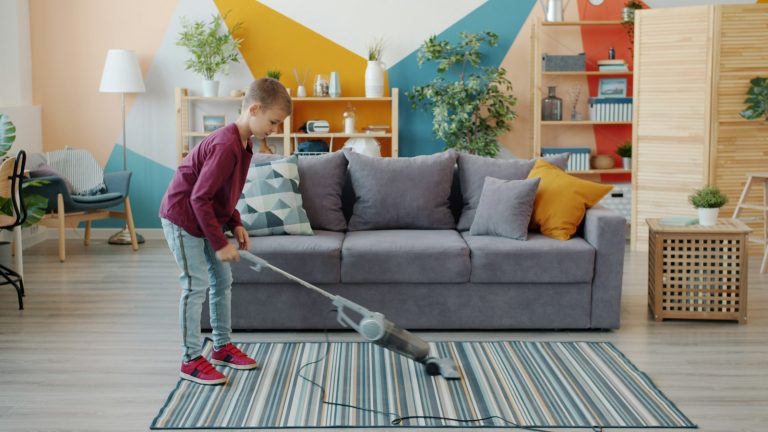
Endless calm is not the goal — sustainable warmth is. Photo: Unsplash.
The misunderstanding at the heart of it
Many parents absorb gentle parenting through short social-media clips that show only the soothing voice and the crouch-down-to-eye-level moment, not the boundary that follows. So they validate endlessly and set few limits, then feel walked over — which is exactly what leads to an eventual blow-up, followed by guilt. Ironically, the missing ingredient is the boundary. Children feel safest with a warm parent who also holds a clear line, and parents burn out fastest when they drop the line entirely.
How to practice gentle parenting without burning out
Boundaries protect the parent too
“I will not let you hit me” is a gentle-parenting sentence. Limits are not the opposite of empathy; they are part of it. Setting them protects your energy and models self-respect for your child.
Aim for good enough, not perfect
The research-backed standard is not flawless calm but consistent repair. Losing your temper and then reconnecting teaches children that relationships survive conflict — the same skill couples rely on when they repair after a fight. Rupture followed by repair is healthy, not harmful.
Share the load
Burnout thrives when one parent carries the household’s emotional and logistical mental load alone. Naming and redistributing that weight often does more for a parent’s patience than any script. For more, see our family life and parenting archive.

Endless calm is unsustainable without boundaries. Photo: Unsplash.
Frequently asked questions about gentle parenting burnout
Is gentle parenting bad for parents?
No — but a permissive misreading of it is exhausting. Gentle parenting includes firm boundaries, which protect the parent’s energy as much as they guide the child.
Why does gentle parenting feel so exhausting?
Because many parents believe they must stay perfectly calm and validate every feeling while setting few limits. That combination of high emotional labor and no boundaries leads directly to burnout.
Can you yell and still be a gentle parent?
Occasional frustration does not undo gentle parenting. What matters is repairing afterward — reconnecting and acknowledging the moment — rather than chasing an impossible standard of constant calm.
How do you recover from gentle parenting burnout?
Recovering from gentle parenting burnout usually starts with lowering the bar from constant calm to good-enough consistency. Build in real breaks, share the mental load with a partner or co-parent, and let go of guilt over the occasional raised voice. Repair after hard moments matters far more than never having them.
This article is general educational information. If parenting stress feels overwhelming, support from a counselor or your doctor can help.
Written by
Elena Rostova
Elena Rostova is the byline used for articles published by Relationship 99. It is a pen name, not a licensed clinician. Articles here are built from published research in relationship science - including work by John Gottman, Arthur Aron and researchers in attachment theory - with the studies named in the text so readers can check them. How we research, source and review our articles is set out in full at relationship-99.com/editorial-standards. Relationship 99 is not a therapy service, and nothing here replaces advice from a qualified professional.