Eldest daughter syndrome describes the cluster of anxiety, over-responsibility, and chronic people-pleasing that many firstborn daughters carry into adulthood after taking on adult-sized duties as children. It is not a medical diagnosis and you will not find it in the DSM-5. But it names a very real pattern rooted in a well-documented family dynamic called parentification — when a child is handed emotional or practical roles that belong to a parent.
What eldest daughter syndrome actually is
Eldest daughter syndrome refers to the lasting psychological effects of being the oldest girl in a family that leaned on her too early and too heavily. She was the backup parent, the family peacekeeper, the one who watched younger siblings, absorbed a parent’s stress, and learned that being helpful was the surest way to be loved. Because the pattern is shaped by gender expectations as much as birth order, daughters absorb it more often than firstborn sons.
Family-systems researchers call this parentification. When it is instrumental — cooking, childcare, managing a household — a child loses parts of their own childhood to logistics. When it is emotional — being a parent’s confidant or mediator — the toll can be even higher. Studies on sibling-focused parentification, especially caring for a sibling with a disability, link it to elevated distress and strained relationships with parents.

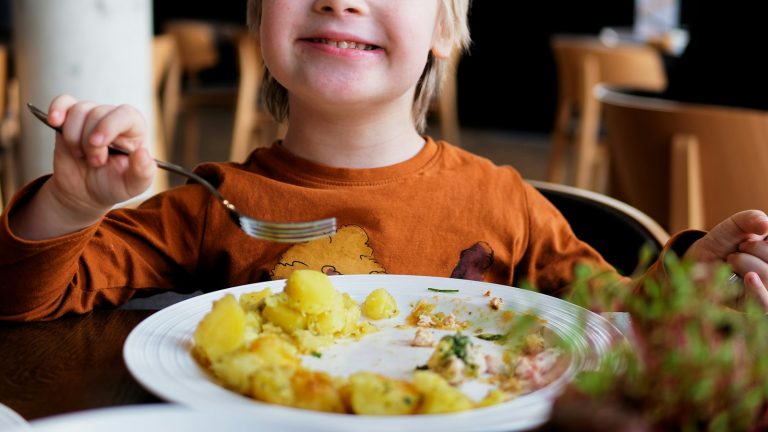
Eldest daughters often learn early that being needed is how you earn love. Photo: Unsplash.
Common signs of eldest daughter syndrome
The pattern tends to show up as hypervigilance and a constant scan for what might go wrong; difficulty delegating or asking for help; guilt when resting; chronic people-pleasing; discomfort receiving care; and a self-worth quietly tied to achievement and caretaking. Many eldest daughters describe feeling responsible for everyone’s emotions in a room, and exhausted by a sense that love must be earned through usefulness.
How it follows you into adult relationships
An adult who learned that love is conditional on performance often becomes the over-functioning partner — managing the household, anticipating needs, and carrying the relationship’s mental load without being asked. That can look like strength, but it breeds quiet resentment and burnout, and it can prevent a partner from ever stepping up. It can also make it hard to be vulnerable, because needing help feels unsafe.
How to start unlearning the pattern
Notice the over-functioning
Healing begins with catching the reflex to manage, fix, and anticipate. When you feel the pull to take over, pause and ask whether this is actually yours to carry.
Practice receiving
Let people help, and resist the urge to repay it immediately. Tolerating the discomfort of being cared for is how the nervous system learns that love is not a transaction.
Set boundaries without guilt
Saying no to a request does not make you a bad daughter, partner, or friend. Boundaries are how over-responsible people stop abandoning themselves. Rebuilding relationships on mutual care rather than one-sided caretaking is central to building trust that feels safe. For more on family dynamics, explore our family life and parenting archive.

Caretaking too young shapes the adult. Photo: Unsplash.
Frequently asked questions about eldest daughter syndrome
Is eldest daughter syndrome a real diagnosis?
No. It is a popular term, not a clinical diagnosis. But it describes real experiences tied to parentification, which is well documented in family-systems research.
What causes eldest daughter syndrome?
It develops when a firstborn daughter takes on adult emotional or caretaking responsibilities too young, often shaped by gender expectations and family stress.
Can you heal from eldest daughter syndrome?
Yes. Awareness, boundary-setting, learning to receive care, and sometimes therapy can loosen the pattern and rebuild a sense of worth that is not tied to caretaking.
This article is general educational information and not a substitute for therapy. If childhood responsibilities are affecting your wellbeing, a licensed therapist can help.
Written by
Elena Rostova
Elena Rostova is the byline used for articles published by Relationship 99. It is a pen name, not a licensed clinician. Articles here are built from published research in relationship science - including work by John Gottman, Arthur Aron and researchers in attachment theory - with the studies named in the text so readers can check them. How we research, source and review our articles is set out in full at relationship-99.com/editorial-standards. Relationship 99 is not a therapy service, and nothing here replaces advice from a qualified professional.