Natural consequences parenting is a discipline approach that lets a child experience the real, unforced results of their own choices, so the world does the teaching instead of you. Skip the umbrella and you get wet; refuse dinner and you feel hungry. Research on autonomy-supportive parenting ties this style to stronger self-regulation than control-heavy discipline, but it only works when the consequence is safe and parents resist the urge to lecture or rescue.
Key Takeaways
- Natural consequences parenting lets reality teach the lesson, which research on autonomy-supportive parenting links to better self-regulation than control-heavy discipline (Joussemet et al., 2008).
- It reflects a broad shift away from punishment: U.S. spanking fell from 50% of parents in 1993 to 35% in 2017, and the American Academy of Pediatrics now advises against it.
- The method only works when the consequence is safe and the parent stays warm, dropping the lecture instead of piling on.
Every parent has stood in a doorway holding a forgotten jacket, torn between running it to school and letting a shivering ten-year-old learn something no reminder ever taught. That small, uncomfortable pause is the whole philosophy in a nutshell. It trusts that a chilly recess is a better teacher than another nagging speech.
What natural consequences parenting actually means
A natural consequence is whatever happens on its own when a parent does not intervene. The child who refuses mittens gets cold hands. The teen who ignores a phone charger faces a dead battery. Nobody imposes anything; reality delivers the lesson.
This is the heart of natural consequences parenting: stepping back far enough that a child can connect their choice to its outcome. The learning sticks because it is felt, not delivered in a warning the child has already tuned out.
It helps to picture yourself as a coach on the sideline rather than a referee blowing a whistle. You set up the field and offer guidance before the play, and then you let the game itself show your child what worked.
Natural consequences versus punishment
Punishment is something a parent adds on: a lost privilege, a time-out, a raised voice. It is chosen by the adult and often has nothing to do with the misbehavior, which is why kids experience it as a power play rather than a lesson. A natural consequence, by contrast, is inherent to the action itself. There is also a middle category, the logical consequence, which a parent designs to fit the behavior when a natural one is unsafe or too distant.
| Approach | Who drives it | What the child learns | Example |
|---|---|---|---|
| Natural consequence | Reality, unprompted | Cause and effect from their own choice | Forgets a coat, feels cold at recess |
| Logical consequence | Parent, tied to the act | Actions have related, fair outcomes | Draws on the wall, helps wipe it clean |
| Punishment | Parent, often unrelated | Avoid getting caught; resentment | Draws on the wall, loses screen time |
Natural consequences parenting leans on reality first and reserves logical consequences for the moments when nature alone will not, or should not, do the job.
Why natural consequences parenting works
The approach lines up with decades of research on what actually helps children develop. Psychologists studying self-determination theory and parenting find that autonomy-supportive parenting, the kind that lets children make choices and learn from outcomes, predicts better self-regulation, motivation, and mental health than controlling, punishment-heavy styles.
Major pediatric guidance points the same way. The American Academy of Pediatrics, in its clinical report on effective discipline, concludes that harsh, aversive strategies like corporal punishment and shaming are ineffective long term and can increase aggression, and recommends teaching-based approaches instead.
Parents have been voting with their behavior for years. The share of U.S. parents who spank fell from 50% in 1993 to 35% in 2017, and approval of spanking dropped from 83.5% in 1986 to 52.1% in 2021. Natural consequences parenting is one practical way to fill the gap that leaves.
The deeper reason it works is ownership. When a child touches a genuine outcome rather than absorbing a parent’s anger, the lesson belongs to them. That felt experience is what calm, connected guidance is built to protect.

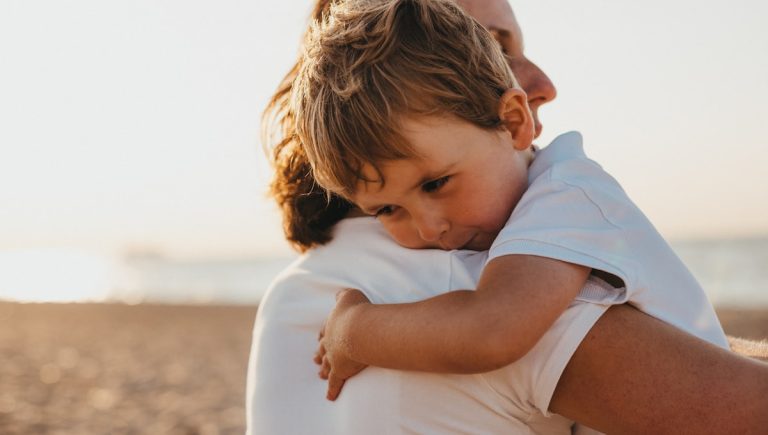
The consequence teaches; the parent’s job is to stay warm, not to pile on. Photo: Vitaly Gariev / Unsplash.
When not to use natural consequences
Natural consequences parenting has firm limits, and knowing them is what separates it from neglect. Never allow a natural consequence that risks real harm. A toddler must not learn about traffic by running into a street, and a child must not learn about stoves by being burned.
Skip the method, too, when the consequence is too delayed to teach anything, such as the long-term effects of never brushing teeth, or when it lands on someone other than the child. In those cases, a calm logical consequence or direct supervision is the responsible choice.
Common mistakes that make it backfire
Even devoted parents stumble with natural consequences parenting, usually in one of three ways. The first is inconsistency: rescuing on Monday and holding firm on Tuesday teaches a child only to negotiate harder. The second is smuggling the lecture back in, which converts a quiet lesson into a speech the child resents. The third is using a consequence as a disguise for anger, letting it sting while silently thinking that it serves them right.
Watch, too, for consequences that quietly punish siblings or shift the load onto you. If one child who refuses to clean up derails the whole family, that is a cue to switch to a logical consequence, much as thoughtful parents do when they decide when to step into sibling conflict and when to let it be.

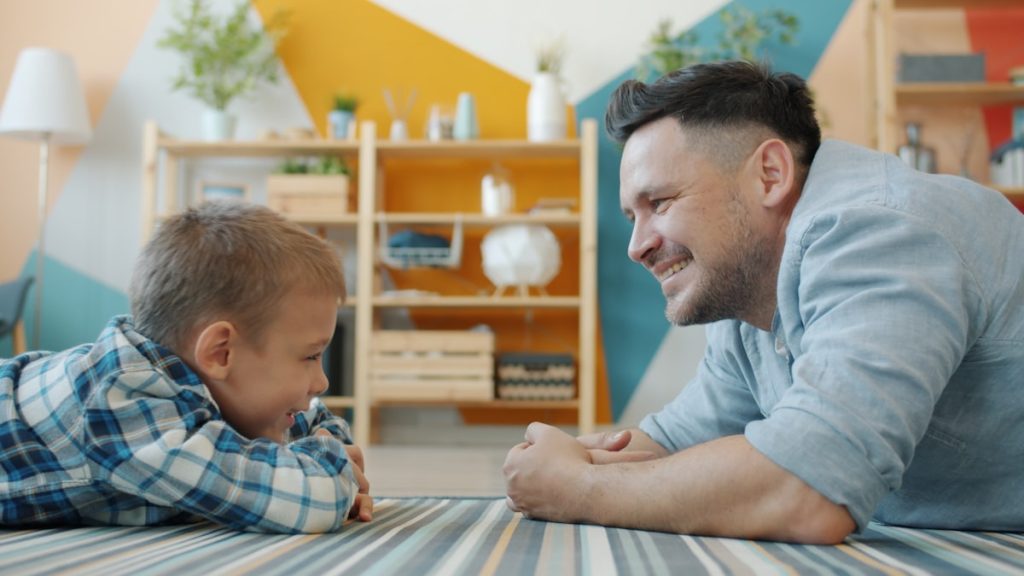
Debriefing gently, without shaming, helps a child name what they learned. Photo: Lia Den / Unsplash.
How to practice natural consequences parenting day to day
Get out of the way, kindly
The hardest part is doing less. Once you have named the choice (“It’s cold out; a coat would help”), let the decision stand and allow the outcome to arrive without a rescue. Your restraint is the intervention. The same trust that powers letting a child play independently is what lets a small consequence do its quiet work.
Drop the lecture
The fastest way to ruin a natural consequence is to narrate it. “See? This is what happens” turns a life lesson back into a power struggle. Empathy works better: “Cold hands are no fun. Want to try mittens tomorrow?”
Said warmly, that single line does everything the lecture was trying to do, and none of the damage. The child stays focused on the shivering hands rather than on defending themselves against you.
Stay warm while they struggle
Letting a consequence unfold does not mean withdrawing love. Comfort the hungry or soggy child without undoing the lesson. A hungry child still gets a hug and, at the next meal, another chance; the lesson lives in the missed meal, not in a withheld cuddle.
Debrief without shame
Later, when everyone is calm, invite reflection with curiosity, not a verdict. A gentle “What would you do differently next time?” helps a child extract the lesson themselves, which is where lasting accountability comes from.
Frequently asked questions about natural consequences parenting
At what age can I start natural consequences parenting?
Simple versions of natural consequences parenting work as early as toddlerhood, as long as the stakes are tiny and safe, like a knocked-over block tower. As children grow, the consequences you can safely allow grow with them. Always match the risk to the age.
Isn’t natural consequences parenting just letting kids fail?
Not quite. It is letting kids experience small, safe failures on purpose so they build judgment while the cost is low. The parent stays present and supportive; what changes is that reality, not a punishment, does the teaching.
What if the natural consequence is dangerous?
Then you do not use it. Safety always overrides the method. For dangerous or far-off outcomes, choose a calm logical consequence or direct supervision instead, and save natural consequences for lower-stakes lessons.
Does this work for strong-willed children?
Often especially well, because strong-willed kids resist being controlled but respect real outcomes, which makes natural consequences parenting a surprisingly good fit for them. Consistency and calm are essential for it to land.
This article offers general parenting education, not clinical advice. If your child shows persistent aggression, self-harm, or behavior that worries you, consider speaking with your pediatrician or a licensed child specialist.
Written by
Elena Rostova
Elena Rostova is the byline used for articles published by Relationship 99. It is a pen name, not a licensed clinician. Articles here are built from published research in relationship science - including work by John Gottman, Arthur Aron and researchers in attachment theory - with the studies named in the text so readers can check them. How we research, source and review our articles is set out in full at relationship-99.com/editorial-standards. Relationship 99 is not a therapy service, and nothing here replaces advice from a qualified professional.