What is snowplow parenting?
Snowplow parenting is the habit of clearing every obstacle, discomfort, and setback out of a child’s path before they can reach it, so their road stays perfectly smooth. Also called lawnmower or bulldozer parenting, it looks like devotion, and it comes from love, but its effect is to rob children of the very struggles that build competence and resilience. The short version: a childhood with no friction produces an adult with no practice at handling it, and the fix is not to care less but to let your child meet manageable difficulty while you stand beside them rather than in front of them.
The term surged into public conversation after the 2019 college-admissions scandal, when extreme examples of parents engineering their children’s success made headlines. But most snowplowing is ordinary and well-meaning: emailing a teacher to fix a grade, finishing the science project, calling to smooth over a friendship dispute, intervening the moment a child looks frustrated. Educators and psychologists such as Julie Lythcott-Haims, former Stanford dean and author of How to Raise an Adult, have warned that this steady removal of challenge leaves young people underprepared for independent life.

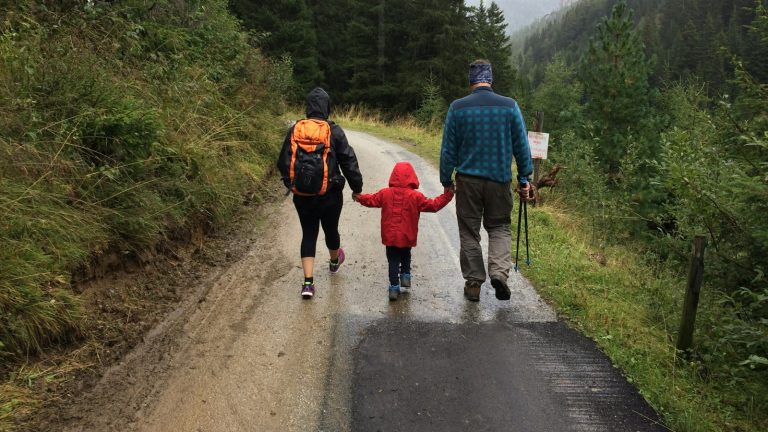
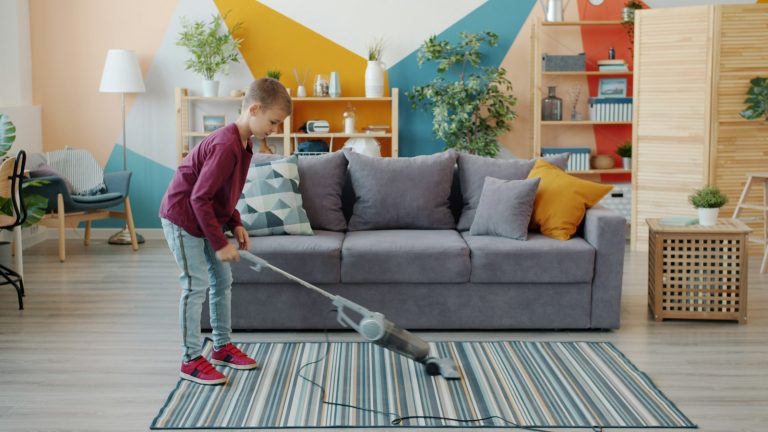
Every obstacle removed is a rep the child never gets to practice. Photo: Unsplash.
Why does snowplow parenting backfire?
Resilience is built the way muscle is: through manageable stress followed by recovery. When a child struggles with a hard assignment, loses a game, or navigates a falling-out with a friend and comes through it, they collect evidence that they can handle hard things. Snowplow parenting removes the stress, and with it the recovery, so the evidence never accumulates. The child arrives at adulthood fluent in comfort but a novice at coping.
Researchers who study autonomy and self-determination find that a sense of competence, the felt experience of being able to affect your own outcomes, is central to motivation and wellbeing. Constant rescue quietly communicates the opposite message: you could not have handled that, which is why I stepped in. Over time, many snowplowed children become more anxious rather than less, because the world outside the cleared path feels bigger and more dangerous than their untested skills can manage. Advocates of childhood independence such as Lenore Skenazy and psychologist Jonathan Haidt argue that shielding kids from ordinary risk has tracked alongside rising youth anxiety.
How is snowplow parenting different from good parenting?
This is the crucial distinction, because worried parents can overcorrect into neglect. The developmental idea of the good-enough parent, from pediatrician Donald Winnicott, is useful here: children do not need perfect protection, they need reliable support while they encounter age-appropriate frustration. Good parenting is a spotter at the gym, close enough to prevent real injury, far enough to let the child feel the weight. Snowplow parenting lifts the weight for them. The goal is not to abandon your child to hardship but to let them carry what they can while you stay available.
What are the signs you might be snowplowing?
Snowplowing is easier to see in other parents than in ourselves, so it helps to look for specific reflexes. You routinely solve problems your child could attempt themselves. You feel intense discomfort watching them struggle and move quickly to end it. You intervene with teachers, coaches, or other kids to smooth their social path. You complete or heavily fix their schoolwork. You organize their life so thoroughly that they rarely face natural consequences. If several of these ring true, it is worth noticing without self-judgment; the instinct behind them is protective, and much of it may connect to the exhaustion we describe in parental burnout, where doing it yourself feels faster than tolerating a child’s slow, messy attempt.

Support from beside them, not from in front of them. Photo: Unsplash.
How do you step back and build resilience instead?
Stepping back does not mean stepping away. It means shifting from rescuer to coach, deliberately and gradually.
Let small, safe failures happen
When the stakes are low, resist the fix. A forgotten homework assignment, a lost match, a boring afternoon your child has to solve themselves, these are cheap, valuable lessons. The discomfort you feel watching is the price of their growth, and tolerating it is the actual work of this stage.
Coach the skill instead of doing the task
Rather than emailing the teacher, help your child draft their own email. Rather than solving the friendship dispute, talk through how they might handle it. You are transferring capability, not withholding help. This mirrors the way repair, not perfection, teaches children resilience, a theme we explore in rupture and repair.
Share the load so stepping back feels possible
Snowplowing often flourishes when one parent is overwhelmed and over-functioning. If you are the default parent carrying everything, doing it yourself can feel like the only way to survive the day. Distributing responsibility, both between partners and back to the child, makes space to let them try. Our family life and parenting guides offer more on building that balance.
Stepping back from snowplow parenting does not mean stepping away; it means coaching a child through difficulty, an approach echoed in the emotion-focused parenting research from The Gottman Institute.
Frequently asked questions
Is snowplow parenting the same as helicopter parenting?
They overlap but differ in emphasis. Helicopter parents hover and monitor closely; snowplow parents go ahead and clear obstacles before the child arrives. Both reduce a child’s opportunities to build independence, but snowplowing specifically removes challenges rather than just supervising them.
At what age should I start letting my child struggle?
Age-appropriate struggle starts early and scales up. A toddler can wrestle with a puzzle; a school-age child can handle a forgotten item or a minor conflict; a teen can manage their own deadlines and repairs. The principle is constant even as the stakes grow: let them carry what they can safely carry.
Won’t letting my child fail hurt their future?
Small, safe failures generally protect their future rather than harm it, by building the coping skills adulthood requires. The failures that damage prospects are usually the large ones that hit young adults who never practiced handling smaller ones. Low-stakes struggle now is a form of inoculation.
How do I manage my own anxiety when I want to step in?
Naming the urge helps, as does remembering that your discomfort is not proof your child is in danger. Many parents find it useful to pause and ask whether the situation is genuinely unsafe or merely uncomfortable. If your anxiety feels overwhelming or constant, talking with a therapist can make stepping back more sustainable.
Written by
Elena Rostova
Elena Rostova is the byline used for articles published by Relationship 99. It is a pen name, not a licensed clinician. Articles here are built from published research in relationship science - including work by John Gottman, Arthur Aron and researchers in attachment theory - with the studies named in the text so readers can check them. How we research, source and review our articles is set out in full at relationship-99.com/editorial-standards. Relationship 99 is not a therapy service, and nothing here replaces advice from a qualified professional.