A highly sensitive child is not fragile or broken; they are wired to process the world more deeply, noticing subtleties, emotions, and sensory details that other children miss. This is a normal temperament trait found in roughly a fifth of children, and it cuts both ways: the same sensitivity that makes hard days harder also lets these children benefit unusually strongly from warmth, structure, and good parenting.
Key Takeaways
- Sensory processing sensitivity is a measurable temperament trait, not a disorder; researchers estimate that about 15 to 20 percent of people are highly sensitive.
- Twin research suggests sensitivity is roughly 47 percent heritable, so a highly sensitive child is largely born, not made anxious by parenting.
- Because of “differential susceptibility,” a highly sensitive child is more affected by both stressful and supportive environments, which means good parenting pays off more, not less.
Some children fall apart at a birthday party that every other kid loved. They notice when you are quietly upset before you have said a word. They complain that a shirt tag is unbearable, cry at a sad scene in a cartoon, and need a long time to warm up in new places. If this sounds like your child, you are probably not raising an anxious or difficult kid. You may be raising a highly sensitive child, and understanding that changes almost everything about how you respond.

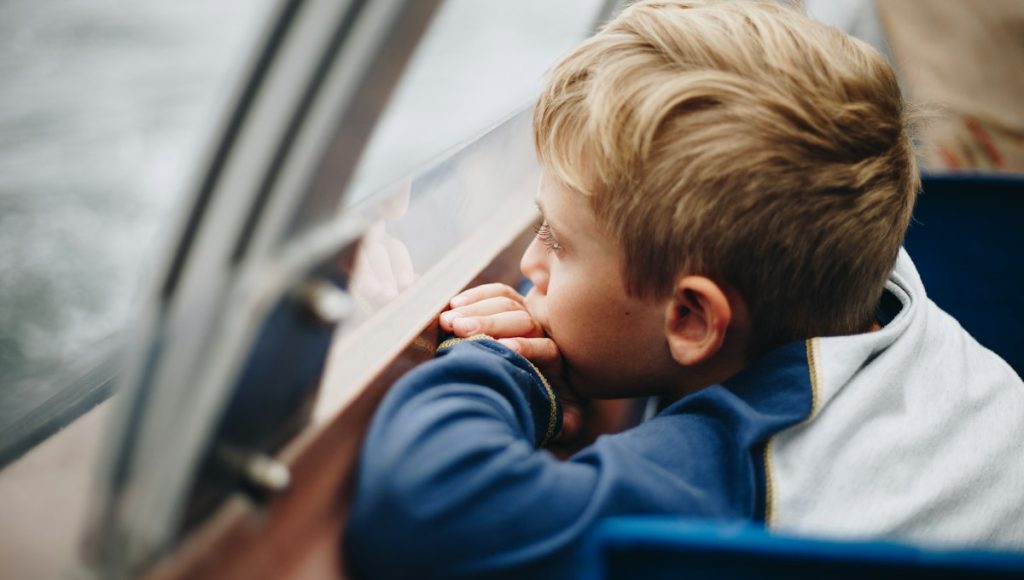
Sensitive children process the world more deeply, for better and worse. Photo: Kelli McClintock / Unsplash.
What makes a highly sensitive child different
The trait has a scientific name: sensory processing sensitivity, first described by psychologist Elaine Aron. A highly sensitive child has a nervous system that registers input more intensely and reflects on it more deeply. Aron and her colleagues estimate, in their research review, that 15 to 20 percent of the population shares this trait, and it appears across cultures and even in more than 100 other species.
In everyday life, a highly sensitive child tends to feel emotions strongly, notice small changes, get overwhelmed by loud or busy environments, and be deeply moved by beauty or unfairness. None of these are flaws. They are the visible edge of a brain that is doing more processing per experience than average.
What this looks like changes with age. A sensitive toddler may melt down after daycare from sheer overstimulation, while a school-age child might hold it together all day and unravel the moment they get home, a pattern parents often mistake for defiance. Teenagers high in sensitivity can feel social slights intensely and take longer to shake off criticism. Reading these moments as overwhelm rather than misbehavior changes how you respond and, over time, how your child learns to understand themselves.
Sensitivity is not a disorder: the orchid and dandelion idea
Researchers now talk about sensitivity as a spectrum rather than an on-off label. A 2018 study by Francesca Lionetti, Michael Pluess, and colleagues found that people cluster into three groups, nicknamed after flowers: dandelions, who are relatively resilient to their environment; tulips in the middle; and orchids, who are highly sensitive and bloom spectacularly in the right conditions but wilt in poor ones. Your sensitive child is, in this metaphor, an orchid.
This matters because “orchid” is not a diagnosis or a weakness. Sensitivity is heavily built in: a twin study led by Elham Assary and Michael Pluess estimated that environmental sensitivity is about 47 percent heritable. A sensitive child did not become that way because you were too soft or too anxious. They arrived wired this way.
Why a highly sensitive child can thrive or struggle more than others
Here is the counterintuitive part that most parenting advice misses. Sensitivity is not just a vulnerability; it is a form of responsiveness. Under the theory of differential susceptibility, a highly sensitive child is more affected by the environment in both directions. In a harsh or chaotic home they are more likely to struggle, but in a warm, predictable one they often do better than their less sensitive peers.
This reframe has practical weight. It means the effort you put into a calm, warm home is not coddling; it is the single biggest lever you have. Where a more easygoing child might do fine almost anywhere, a sensitive child’s outcomes swing more on the quality of their environment, so the ordinary things, consistent routines, gentle repair after conflict, and a parent who stays regulated, matter more for them than for most.
The evidence is concrete. Studies of “vantage sensitivity” show that highly sensitive children gain more from support: in one school-based intervention study, sensitive children benefited significantly more than others from an anti-bullying program, and sensitive girls responded far more strongly to a depression-prevention course than their peers did. Your child is not a problem to manage; they are a child whose upside is unusually large when the conditions are right.
5 ways to parent a highly sensitive child well
Sensitive kids do not need a special curriculum. They need a few adjustments that turn their wiring into an advantage.
- Lower the sensory volume. Reduce unnecessary noise, itchy clothes, and overscheduling. A calmer baseline leaves a highly sensitive child with more capacity for the genuinely hard moments.
- Name feelings out loud. Practicing emotion coaching gives big feelings language, which shrinks them. Sensitive children have the emotions already; they just need help labeling them.
- Prepare, don’t surprise. Preview new places and transitions. Warm-up time is not stalling; it is how a highly sensitive child regulates before diving in.
- Co-regulate before you correct. When they flood, calm alongside them first. A dysregulated child cannot learn a lesson mid-meltdown.
- Protect downtime. Sensitive kids recharge with quiet. Build in unstructured, low-stimulation time so they can decompress after busy days.
What tends to backfire
Two responses reliably make things worse. The first is toughening them up: shaming a sensitive child for crying or forcing them to “just deal with it” tends to increase shame and shutdown, not resilience. The second is over-accommodation, where the whole household reorganizes to prevent any discomfort. A highly sensitive child still needs to face manageable challenges; the goal is support with a gentle push, not a bubble. The sweet spot is high warmth paired with steady, reasonable expectations.
It also helps to explain the trait to your child in kid-friendly terms. Many sensitive kids privately feel something is wrong with them because they react more than their friends do. Telling them their brain simply notices more, and that this comes with real strengths like empathy and creativity, can turn a source of shame into self-understanding. Children who know they are wired to feel deeply tend to be less frightened by their own big reactions.
When to wonder about something more than sensitivity
High sensitivity overlaps with, but is different from, anxiety disorders, autism, and ADHD. Sensitivity itself is a normal trait, not a condition to treat. But if your child’s distress is constant, keeps them from friendships or school, or does not settle even in calm, supportive settings, it is worth talking with a pediatrician or child psychologist. Sensitivity explains a lot, but it should not be used to wave away suffering that needs real help.
Questions parents ask about the highly sensitive child
Is being a highly sensitive child the same as having anxiety? No. Sensitivity is a temperament trait, while anxiety is a pattern of excessive fear. A sensitive child can be calm and happy; they simply feel and notice more. Sensitivity can raise anxiety risk in harsh settings, but it is not anxiety itself.
Will my child grow out of it? Not really, and that is fine. The trait is stable and largely inherited, but sensitive children usually learn to manage overwhelm as they mature, especially with supportive parenting.
Did I make my child sensitive by being overprotective? Almost certainly not. Twin research points to a strong genetic basis. Your parenting shapes how well your highly sensitive child copes, not whether they are sensitive to begin with.
Are highly sensitive children gifted? Sensitivity and giftedness are separate traits that sometimes overlap. Many sensitive children are deeply empathic and creative, but sensitivity is about depth of processing, not IQ.
Raising an orchid
It is easy to see a highly sensitive child as extra work, and on the overwhelming days, they are. But the same wiring behind the meltdowns is behind the empathy, the conscience, the noticing, and the capacity to be profoundly shaped by love. The research is genuinely encouraging: these are the children who respond most to a good environment. Give a highly sensitive child warmth, structure, and permission to feel, and you are not just preventing struggles. You are creating the exact conditions in which an orchid blooms.

Sensitive children benefit unusually strongly from warmth and calm. Photo: Jordan Whitt / Unsplash.
This article is general information, not a diagnosis. High sensitivity is a normal temperament trait; if you are worried about your child’s wellbeing, a pediatrician or child psychologist can help.
Written by
Elena Rostova
Elena Rostova is the byline used for articles published by Relationship 99. It is a pen name, not a licensed clinician. Articles here are built from published research in relationship science - including work by John Gottman, Arthur Aron and researchers in attachment theory - with the studies named in the text so readers can check them. How we research, source and review our articles is set out in full at relationship-99.com/editorial-standards. Relationship 99 is not a therapy service, and nothing here replaces advice from a qualified professional.