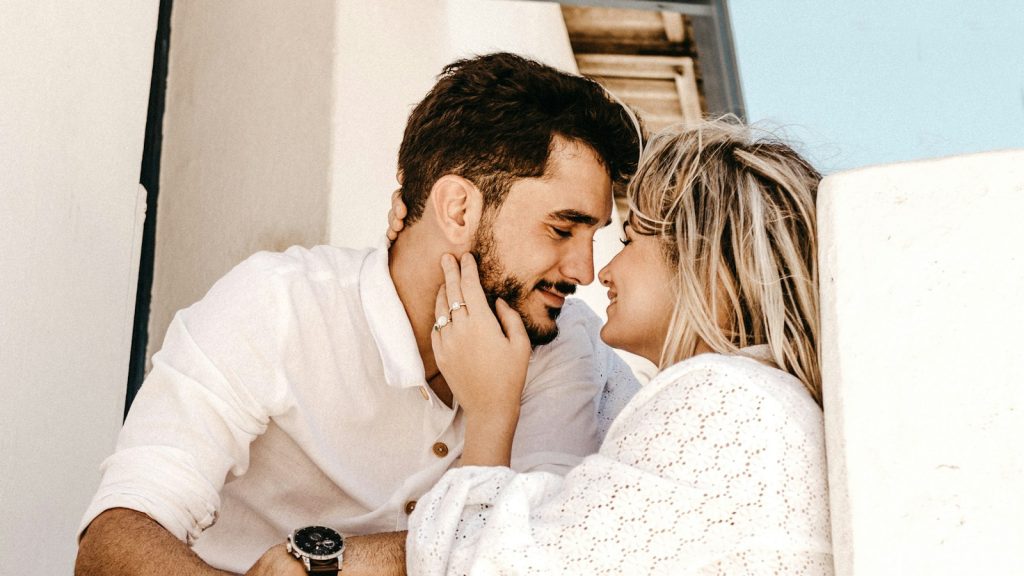
Honeymoon phase feelings fade for most couples, often within the first few years, and that dip is normal rather than proof you chose wrong. Studies that follow newlyweds find satisfaction usually starts high and slides, yet some couples barely decline at all. What predicts real trouble is not losing the rush. It is losing affection and the sense that your partner is responsive.
Key Takeaways
- In a study of 464 newlywed spouses surveyed eight times over four years, researchers found five distinct satisfaction paths, including one group that started high and did not decline.
- The end of the honeymoon phase is mostly a shift from passionate, novelty-driven love toward companionate love, and some decline in intensity is expected.
- Long-term research points to disillusionment, meaning fading affection, doubts about a partner’s responsiveness, and growing ambivalence, as the real warning sign.
Picture a couple two years in. The texts that used to arrive every hour now arrive when someone needs milk. Weekends that once vanished in bed now include laundry and a debate about whose turn it is to call the landlord. One of them lies awake wondering whether the spark is gone for good.
That worry is understandable, and it is also built on a myth: that real love should feel like the first six months forever. The research tells a more useful story.
What Is the Honeymoon Phase, Really?
The honeymoon phase is the early stretch of a relationship dominated by passionate love: intense longing, frequent thoughts about the other person, high sexual desire, and big emotional swings. Relationship scientists contrast this with companionate love, the deep affection, trust, and friendship that tends to grow as partners build a life together.
Researchers Susan Sprecher and Pamela Regan tested this distinction in dating and young married couples and described passionate love as more sexualized, more emotionally intense, and expected to decline with time, while companionate love is steadier. In practice, most couples experience both, in shifting proportions.
You may see confident claims that the honeymoon phase lasts exactly 18 months or two years. There is no reliable fixed timeline. It depends on the couple, their circumstances, and how quickly daily life arrives. If your early feelings were more like obsessive longing, our article on limerence explains how that state differs from love.
Does Satisfaction Really Drop After the Honeymoon Phase?
On average, yes, but averages hide a lot. In a well-known study, psychologists Justin Lavner and Thomas Bradbury tracked 464 newlywed spouses through eight surveys over four years. Instead of one downward slope, they found five trajectory groups. Some spouses started high and stayed there with no decline. Others began moderately happy and dipped only slightly. A smaller group started lower and declined steeply.
Those paths mattered. The groups differed in how many couples divorced at four and ten years, and traits measured right after the wedding, such as stress, aggression, and communication behaviors, helped predict which path a spouse would follow. In other words, the end of the honeymoon phase does not hit every couple the same way.
A follow-up study of 169 newlywed couples added a surprising twist. Lavner, Benjamin Karney, and Bradbury found that satisfaction declined on average over four years, but the couples’ overall problems stayed largely the same. The issues did not pile up. What changed was how the couples felt about them, and showing affection was the one area spouses rated as increasingly problematic over time.
| Study | Who was studied | Key finding |
|---|---|---|
| Lavner and Bradbury (2010) | 464 newlywed spouses, 8 surveys over 4 years | Five satisfaction paths; one group stayed high with no decline |
| Lavner, Karney, and Bradbury (2014) | 169 newlywed couples over 4 years | Satisfaction dipped on average, but problems stayed stable; affection became a growing issue |
| Huston and colleagues (2001) | Newlywed couples followed for 13 years | Disillusionment, not rising conflict, set apart couples headed for divorce |
| O’Leary and colleagues (2012) | Random sample of 274 married U.S. adults | 40% of those married over 10 years said they were very intensely in love |
| Aron and colleagues (2000) | Two surveys plus three lab experiments | A 7-minute novel, active task together raised relationship quality more than a mundane one |
Why the Drop Is Not a Red Flag
A fading rush is a sign of familiarity, not failure. Early love runs on novelty. Psychologist Arthur Aron’s self-expansion model describes new love as a period of rapid growth, as you absorb a new person’s ideas, friends, and world. Once you know each other well, that growth naturally slows, and so does the intensity it fueled.
The Lavner research also suggests that many couples misread the dip. If your problems have not actually grown, the lower satisfaction may reflect habituation and the loss of novelty rather than a broken relationship. That is good news, because novelty and affection are things you can rebuild on purpose. And if you are earlier in dating and worried about a lack of fireworks, our piece on the spark myth looks at what attraction research says about slow-burn chemistry.
The honeymoon phase was never the whole relationship. It was the opening chapter, and a companionate bond built on trust and friendship is what carries couples through illness, kids, job loss, and age. Our guide to the first year of marriage covers the newlywed version of this adjustment.

Everyday routines are where companionate love takes root. Photo: Vitaly Gariev / Unsplash.
What Actually Predicts Trouble: Disillusionment
If the dip is normal, what should you watch for? The strongest clue comes from Ted Huston’s long-running study of newlyweds. Following couples for 13 years, Huston and colleagues found little support for the idea that rising conflict early in marriage drives divorce. Instead, couples headed for divorce showed disillusionment: love abated, open affection declined, spouses grew less convinced their partner was responsive, and ambivalence crept in.
The same study found that how romantic and how negative newlyweds were from the start also predicted their long-term fate. So the questions to ask are less about fireworks and more about warmth:
- Do we still show affection, even small and ordinary kinds?
- Do I believe my partner will show up when I need them?
- Am I starting to feel more unsure about us than I used to?
If those answers are trending the wrong way, that is worth addressing early, ideally with a licensed couples therapist, before disappointment hardens into distance.
4 Habits That Keep Love Strong After the Honeymoon Phase
These habits come straight from the research on couples who stay satisfied.
- Do new things together. In three lab experiments, Aron’s team found that couples who completed a 7-minute novel and physically active task together reported bigger gains in relationship quality than couples given a mundane task. Their surveys linked shared exciting activities to satisfaction, partly by reducing boredom. Try a new hike, class, or recipe rather than the same restaurant.
- Keep affection visible. Since affection was the problem that grew over time in newlywed research, protect it on purpose: a hand on the shoulder, a real goodbye kiss, a text that is not logistics.
- Think well of your partner. Long-term love was linked to thinking positively about a partner and thinking about them while apart. Noticing what you appreciate, and saying it, keeps that habit alive.
- Stay responsive. In the Gottman Method, small moments when a partner reaches for attention are called bids. Turning toward them, even briefly, builds the sense of responsiveness that Huston found protective.
For more ideas, see our guide to how to rekindle a long-term relationship.
Can Couples Stay in Love for Decades?
Yes, and more often than cynics assume. In a random sample of 274 married U.S. adults, K. Daniel O’Leary and colleagues found that 40% of people married more than 10 years said they were very intensely in love. Their intense love was linked to affection, sex, shared novel and challenging activities, and general happiness. The study relied on self-reports from one point in time, so treat the figure as encouraging rather than definitive.
A review by Bianca Acevedo and Arthur Aron reached a similar conclusion: romantic love, minus the anxious obsession of early dating, can persist in long marriages and is associated with satisfaction and well-being. The honeymoon phase ends, but intensity can return in a calmer, more secure form.

Long-term love often looks quieter, and runs deeper. Photo: Ged Mullen-Buick / Unsplash.
Frequently Asked Questions
How long does the honeymoon phase last?
There is no fixed timeline backed by solid research. For many couples, the most intense period fades within the first year or two, but it varies with age, circumstances, and how quickly major life stresses arrive.
Is it a bad sign if the honeymoon phase ends quickly?
Not on its own. A drop in intensity is expected. Pay closer attention if affection is disappearing, you doubt your partner’s responsiveness, or you feel growing ambivalence about the relationship.
Can you get the spark back?
Often, yes. Experiments show that doing novel, active things together can boost relationship quality, and couples who keep affection and appreciation visible tend to report stronger long-term love.
Should I worry if I am not obsessed with my partner anymore?
No. Researchers distinguish romantic love from obsession, and long-term romantic love tends to be calmer and more secure. Missing the anxiety of early love is not the same as falling out of love.
A Calmer Love Is Not a Lesser Love
The end of the honeymoon phase is a transition, not a verdict. Expect the rush to fade, watch for the signs that matter, like fading affection and doubts about responsiveness, and invest in novelty, appreciation, and small daily kindnesses. Many couples find that what grows in its place is sturdier and, in its own way, more romantic.
This article is for general education and is not a substitute for advice from a licensed mental health professional. If your relationship involves fear, control, or abuse, call the National Domestic Violence Hotline at 1-800-799-7233.
Written by
Elena Rostova
Elena Rostova is the byline used for articles published by Relationship 99. It is a pen name, not a licensed clinician. Articles here are built from published research in relationship science - including work by John Gottman, Arthur Aron and researchers in attachment theory - with the studies named in the text so readers can check them. How we research, source and review our articles is set out in full at relationship-99.com/editorial-standards. Relationship 99 is not a therapy service, and nothing here replaces advice from a qualified professional.