A vulnerability hangover is the wave of anxiety, regret, or exposure you feel after opening up to someone — sharing a real feeling, confessing interest, or asking for what you want. It is not proof you made a mistake. Research shows people judge their own vulnerability far more harshly than others do, so the urge to take it all back is usually a distortion, not a signal to trust.
Key Takeaways
- The vulnerability hangover is the emotional crash after being open — not evidence that opening up was wrong.
- In seven studies on the “beautiful mess effect,” people rated their own acts of vulnerability more negatively than observers rated the very same acts.
- Your instinct to retreat is loudest right when connection is forming, which is exactly when it is most misleading.
You send the text. “I actually really like you.” Then the phone goes face-down on the table and your stomach drops. Within minutes you are rereading it, cringing, half-convinced you have ruined everything. You have not necessarily done anything wrong — you have simply been brave, and your nervous system is treating bravery like a threat. That crash has a name, and understanding it changes how you date.
What a vulnerability hangover actually is
Researcher and storyteller Brené Brown popularized the term “vulnerability hangover” to describe the raw, exposed feeling that follows a moment of emotional honesty. It is the morning-after of the heart: you took a risk — said the thing, showed the feeling, made the first move — and now shame and self-doubt rush in to punish you for it.
The key insight is that a vulnerability hangover is a feeling about exposure, not a verdict about the choice. Feeling exposed after opening up is as predictable as feeling sore after a hard workout. The discomfort is the cost of doing something that actually mattered, and it says almost nothing about whether the risk was wise. Physiologically, self-exposure activates the same threat circuitry that social rejection does, which is why a warm, honest text can leave your heart pounding as if you were in danger. Your body cannot tell the difference between being truly at risk and being merely seen.
Why the vulnerability hangover lies to you
Here is the part that changes everything: we are terrible judges of how our own vulnerability lands. In a set of seven studies, researchers documented what they called the “beautiful mess effect” — people consistently rated their own moments of vulnerability as weak and cringeworthy, while rating the identical acts in others as brave and appealing (Journal of Personality and Social Psychology, 2018).
In other words, the person you opened up to is far more likely to see courage where you see catastrophe. This effect runs on the gap between your harsh self-view and their warmer outside view. A follow-up study found that practicing self-compassion narrowed the gap, softening how negatively people judged their own openness (PSPB, 2022). The takeaway: the shame is real, but the story it tells you is usually wrong.
Vulnerability hangover vs. guardedness vs. oversharing
Not all self-disclosure is equal, and a vulnerability hangover does not mean you overshared. The table below separates attuned vulnerability from its two failure modes.
| Guarded | Attuned vulnerability | Oversharing | |
|---|---|---|---|
| Timing | Never quite opens up | Shares as trust is earned | Dumps everything at once |
| Goal | Stay safe | Be known | Get instant reassurance |
| Reads the other person | Rarely lets them in | Watches for mutual pace | Ignores their signals |
| Typical aftermath | Loneliness | A vulnerability hangover that passes | Regret and withdrawal |
If your disclosure sat with the other person’s pace and still left you shaky, that is a healthy vulnerability hangover. If you unloaded to soothe your own anxiety without noticing their discomfort, that is closer to floodlighting, and the fix is pacing, not silence.

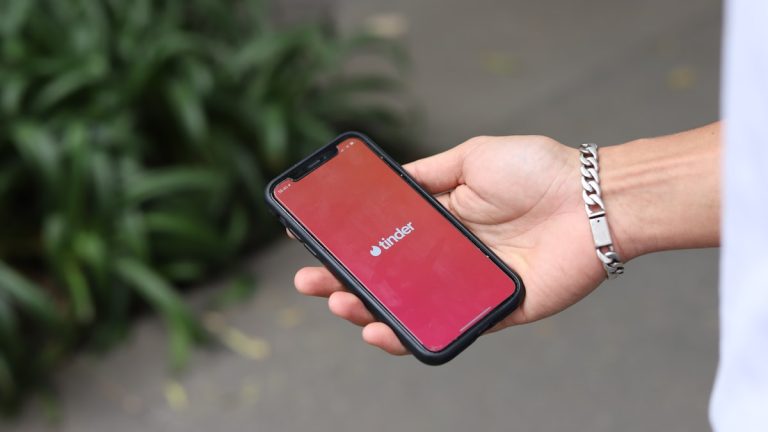
The face-down-phone dread is the vulnerability hangover in real time. Photo: Anthony Tran / Unsplash.
The attachment roots of the vulnerability hangover
Why does opening up feel dangerous to some people and thrilling to others? Attachment history is a big part of the answer. In a large national survey, only about 63% of adults reported a secure attachment style, leaving a substantial share with anxious or avoidant patterns that make closeness feel risky (PubMed, 2015).
If you lean anxious, a vulnerability hangover often spikes into panic — you crave reassurance and reread the message a dozen times. If you lean avoidant, the same exposure can trigger a cool urge to withdraw and pretend you never cared. Recognizing your attachment pattern helps you name the reaction as old wiring rather than present-day truth, so you can ride the wave instead of obeying it.
What the research says about opening up
The deeper irony of the vulnerability hangover is that the very thing it warns you against is what builds connection. A classic meta-analysis of 74 studies found a reliable disclosure–liking effect: people who share intimately tend to be liked more, and we tend to like those to whom we have disclosed (Psychological Bulletin, 1994).
Openness can even manufacture closeness on purpose. In a well-known experiment, pairs of strangers who worked through escalating personal questions felt dramatically closer within about 45 minutes than pairs who made small talk (Personality and Social Psychology Bulletin, 1997). Mutual, well-paced vulnerability is the mechanism of intimacy — which means the hangover is often the receipt for something going right.

Well-paced openness is how strangers become close. Photo: Kinga Howard / Unsplash.
Why the crash hits hardest in early dating
The vulnerability hangover is loudest at the beginning of a relationship, and there is a logic to that. Early dating is a low-information, high-stakes environment: you do not yet have a bank of evidence that this person is safe, so your mind fills the silence after a disclosure with worst-case interpretations. There is no established trust to reassure you that one honest message will not blow everything up.
Modern dating makes it worse. So much early connection happens over text, where you send something exposing and then sit in a void with no tone of voice, no facial expression, and no immediate warmth to steady you. The delay between opening up and getting a response is prime breeding ground for spiraling. Knowing this is structural, not personal, takes some of the sting out of the wait.
4 ways to ride out a vulnerability hangover
You cannot skip the discomfort, but you can keep it from running the show. The goal is not to feel calm — it is to avoid making a permanent decision in a temporary emotional state. First, name it: say to yourself, “this is just a hangover, not a catastrophe.” Labeling the state lowers its intensity. Second, resist the takeback — do not fire off a follow-up joke or an apology to undo what you shared; that only tells your brain the openness was shameful.
Third, practice self-compassion, the exact move shown to shrink the self–other judgment gap: speak to yourself as you would to a friend who had just been brave. Fourth, wait for real data. Let the other person actually respond before you decide what your disclosure meant. Most of the time, the reply is warmer than the story your hangover was writing.
When a vulnerability hangover is actually a warning
Not every uneasy feeling is a distortion. If you opened up and the other person mocked you, weaponized it later, or went cold to punish you, the discomfort you feel is useful information about them, not shame about you. A safe partner meets vulnerability with care, even when they cannot reciprocate yet. If openness is repeatedly met with contempt or an emotionally unavailable shrug, the problem is the reception, not your courage. The distinction matters because it protects you from two opposite mistakes: shutting down after a healthy risk that simply felt uncomfortable, and ignoring a genuine red flag because you have talked yourself into believing all discomfort is just anxiety. The test is simple — healthy discomfort fades as the other person responds with warmth, while a true warning sign gets confirmed by how they treat you next.
Frequently asked questions about the vulnerability hangover
Is a vulnerability hangover normal after a first date? Completely. Any time you reveal genuine interest or emotion, some exposure-anxiety tends to follow. Its presence usually signals that the date mattered to you, not that you did something wrong.
How long does a vulnerability hangover last? Often just hours to a day or two. It tends to fade once you get a real response or simply let time pass. Compulsively seeking reassurance can prolong it by keeping your nervous system on alert.
How do I know if I overshared or just felt vulnerable? Ask whether you tracked the other person’s comfort and pace. Attuned sharing that leaves you shaky is a normal hangover; sharing that ignored their signals to soothe your own anxiety is oversharing, and the fix is pacing.
Can the crash mean I like someone more than I realized? Frequently, yes. The size of the crash often mirrors how much the connection matters to you, which is worth noticing rather than fearing.
This article is for general education and is not a substitute for professional support. If shame or anxiety after opening up feels overwhelming or persistent, a licensed therapist can help you build a steadier relationship with vulnerability.
Written by
Elena Rostova
Elena Rostova is the byline used for articles published by Relationship 99. It is a pen name, not a licensed clinician. Articles here are built from published research in relationship science - including work by John Gottman, Arthur Aron and researchers in attachment theory - with the studies named in the text so readers can check them. How we research, source and review our articles is set out in full at relationship-99.com/editorial-standards. Relationship 99 is not a therapy service, and nothing here replaces advice from a qualified professional.