What is fondness and admiration in a marriage?
Fondness and admiration is the habit of actively noticing and expressing what you appreciate about your partner, and it functions as the quiet immune system of a long marriage. It is the warm remark about how they handled a hard day, the moment you catch yourself feeling lucky and actually say so, the way you speak about them to others when they are not in the room. In the research of psychologist John Gottman, fondness and admiration is the direct antidote to contempt, the single most corrosive force in a relationship. Keep this system alive and a marriage stays resilient; let it fade and small irritations start to feel like evidence against your partner.
Gottman’s model, developed over decades of observing couples in his research lab, is often pictured as a Sound Relationship House. Fondness and admiration sits near the foundation. Couples who maintain it tend to give each other the benefit of the doubt; couples who lose it slide into what Gottman calls negative sentiment override, where even neutral comments start to feel like attacks. The good news is that fondness and admiration is trainable. It is less a feeling that happens to you and more a practice you can choose.

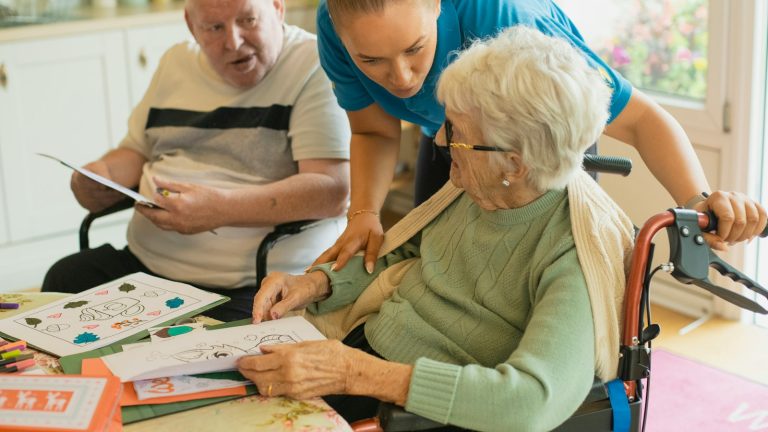
The system is built from small, repeated moments of appreciation. Photo: Unsplash.
Why is fondness and admiration the antidote to contempt?
Contempt, in Gottman’s research, is the strongest single predictor of divorce. It is the eye-roll, the sneer, the sarcasm that says I am above you. Contempt grows in a mind that has been quietly cataloging a partner’s faults. Fondness and admiration works because it reorients that same attention in the opposite direction: toward what is good, capable, and lovable in the person you married. You cannot easily feel contempt and appreciation for the same person in the same moment, so deliberately cultivating one crowds out the other.
This is why fondness and admiration is protective rather than merely pleasant. It changes the story you tell yourself about your partner, and that story shapes how you interpret everything they do. When appreciation is the background hum, a forgotten chore reads as a slip; when contempt is the background hum, the same chore reads as proof they do not care. Our articles on contempt in marriage and negative sentiment override map exactly what happens when this system goes quiet.
How do you know if your fondness and admiration system is fading?
The warning signs are subtle. You struggle to easily recall what first drew you to your partner. Your descriptions of them to friends turn wry or critical. You notice you keep a mental ledger of their failings but not their kindnesses. Physical affection thins out, and compliments feel awkward or insincere. None of these alone means a marriage is failing, but together they suggest the appreciation system needs deliberate attention rather than a wait-and-see approach.
How do you rebuild fondness and admiration?
The remarkable finding from Gottman’s work is that this system responds quickly to intentional effort. You do not need a grand gesture; you need a change in what you look for and what you say out loud.
Practice catching your partner doing something right
Most of us are trained to notice problems. Reverse it on purpose: once a day, find something specific you appreciate and name it, out loud, to your partner. Not a vague nicety but a concrete observation, such as thanking them for staying patient with the kids when you could tell they were exhausted. Specificity signals that you are actually paying attention, which is the real gift underneath any compliment.
Revisit your shared history
Gottman found that how couples remember their past predicts their future. Couples who recall early days warmly, the story of how they met, the obstacles they overcame together, tend to be more resilient. Deliberately retelling those stories, even briefly, rekindles the sense that this partnership is worth protecting. It is the same instinct behind the small daily reconnections we describe in bids for connection.

Remembering the good history keeps the present generous. Photo: Unsplash.
Protect the time where appreciation lives
Fondness starves in couples who never actually talk. Gottman’s guidance on investing a modest amount of intentional time each week, an idea we unpack in the magic five hours, gives appreciation somewhere to happen. You cannot admire a partner you never really see. For more on keeping long-term love durable, our marriage guides go deeper.
The idea comes directly from decades of couples research; you can read more about building fondness and admiration in the work of The Gottman Institute.
Frequently asked questions
Can fondness and admiration come back once it is gone?
In most cases, yes. Gottman’s research suggests the system is dormant more often than truly dead, and it tends to respond quickly when couples deliberately start noticing and voicing appreciation again. Unless contempt has hardened over many years, small consistent efforts usually reawaken it.
Is fondness and admiration the same as being in love?
Not exactly. Being in love is a feeling that fluctuates; fondness and admiration is a practice of attention and expression that you can sustain even when the feeling dips. In fact, practicing it is often what brings the warmer feelings back rather than the other way around.
What if my partner never expresses appreciation for me?
You can only directly control your own side of the system, but appreciation is often reciprocal; genuine, specific warmth frequently invites warmth in return. If the imbalance is persistent and painful, it can be worth naming gently or exploring with a couples therapist rather than silently keeping score.
How is this different from toxic positivity?
Fondness and admiration is not about pretending problems do not exist or forcing cheerfulness. It is about keeping genuine appreciation alive alongside honest conflict, so that when you do disagree, you are two people who fundamentally respect each other rather than two adversaries.
Written by
Elena Rostova
Elena Rostova is the byline used for articles published by Relationship 99. It is a pen name, not a licensed clinician. Articles here are built from published research in relationship science - including work by John Gottman, Arthur Aron and researchers in attachment theory - with the studies named in the text so readers can check them. How we research, source and review our articles is set out in full at relationship-99.com/editorial-standards. Relationship 99 is not a therapy service, and nothing here replaces advice from a qualified professional.