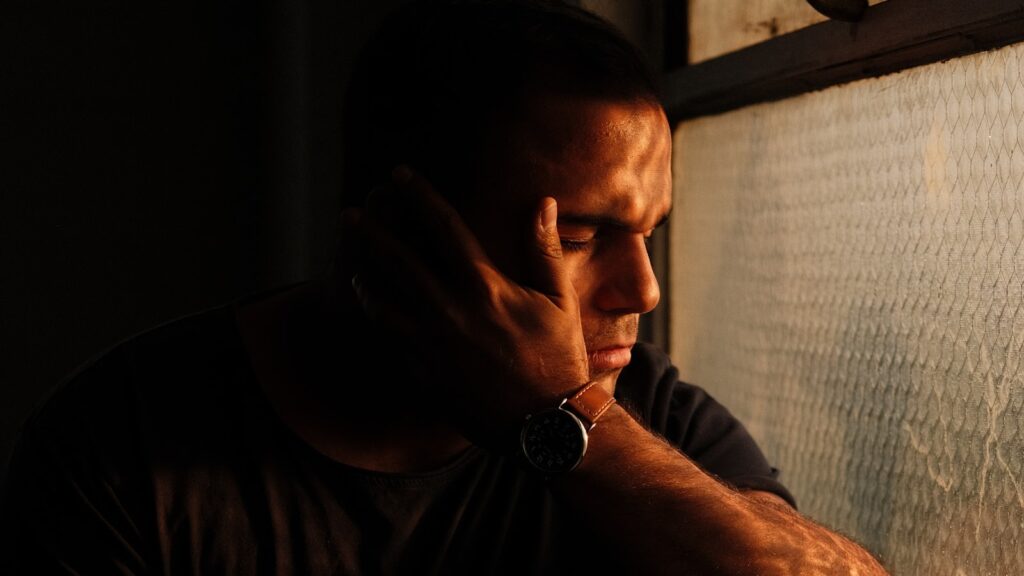
Divorce regret is the quiet question that can surface months or years after the papers are signed: did I make a terrible mistake? It rarely announces itself in the raw early days. It tends to arrive later, on an ordinary evening, when the conflict has faded and you find yourself missing not the fights but the person — and wondering whether the marriage was more fixable than it felt at the time.
Here’s the reassuring, complicated truth: divorce regret is common, but it is not the same as knowing you were wrong. Surveys suggest roughly a third of divorced people feel some regret, with estimates ranging higher depending on how the question is asked. Feeling it doesn’t mean you should have stayed, and it doesn’t doom your future. What it does is deserve honest attention, because understanding why it shows up is how you keep it from running your life.
How common is divorce regret, really?
On average, about a third of divorced people report regretting the decision to end their marriage, though figures vary widely across surveys — some put it closer to half a few years down the line. One frequently cited Avvo survey found 32% of men and 27% of women regretted their divorce, a reminder that this isn’t a feeling reserved for one gender. Notably, other research finds women are more likely to initiate divorce, which complicates the simple story that initiators never look back.
Two things are worth holding at once. First, regret is widespread enough that if you feel it, you are far from alone. Second, a majority of divorced people do not report lasting regret, and many describe relief and growth. Both realities are true, and neither cancels the other out. Regret is a data point about your grief and your history — not a verdict on your worth or your future.
Who is most likely to regret divorce?
Researchers and family clinicians consistently flag a handful of risk factors. The spouse who initiated the divorce tends to regret it more often than the one who was left — partly because initiators carry the weight of the decision itself. People who divorced impulsively, especially within the first couple of years of serious trouble, report higher regret, as do those who left with significant conflict still unresolved. Parents of young children are also more prone to it, as the ongoing logistics of co-parenting keep the loss present.
Perhaps the most striking finding: regret climbs sharply when people feel the divorce was avoidable. Some analyses put regret as high as 80% among those who believe they split for the “wrong” reasons and that more effort might have saved things. And in one survey of 1,000 divorcees, 52% wished they had tried counseling longer before ending the marriage — a hint that unfinished repair, more than the divorce itself, is what haunts people later.

Co-parenting keeps the loss present, which can heighten divorce regret. Photo via Unsplash.
Why regret doesn’t always mean you were wrong
Human memory is a poor historian of pain. Once the acute distress of a bad marriage recedes, the mind tends to soften the sharp edges and highlight the good moments — a phenomenon that makes the past look rosier than it was. This is why regret so often surfaces after the worst is over: you’re no longer living the daily reality that drove the decision, so you compare an idealized memory against the loneliness of the present.
Grief also masquerades as regret. Mourning the marriage you hoped for, the family structure you lost, or the future you pictured is normal and necessary — but it can feel identical to “I made a mistake.” The two are different. Grief says this loss hurts. Regret says I chose wrongly. Sitting with that distinction, often with a therapist, is how people separate genuine misjudgment from the ordinary ache of loss. It’s closely related to the disorientation we describe in the divorce hangover.

Grief and regret can feel identical, but they are not the same thing. Photo via Unsplash.
What to do when divorce regret hits
Start by naming which feeling you’re actually having. Is this grief that needs to be mourned, or a considered belief that the marriage was salvageable? Journaling the concrete reasons you divorced — the ones that felt undeniable at the time — can anchor you against a memory that’s quietly airbrushing the past. Resist the urge to make big reversal decisions from inside a wave of longing, especially late at night; regret tends to spike and subside.
If your ex is genuinely open and the original problems were workable, some couples do explore reconciliation, ideally with professional guidance rather than nostalgia alone. If reconciliation isn’t on the table, the task is to grieve fully and rebuild forward. Either way, individual therapy is enormously helpful for untangling regret from grief. And if you’re earlier in the process and this article is stirring doubt, it may be worth exploring discernment counseling or reading about divorce ambivalence before anything is final. More resources live in our Separation & Divorce section.
Divorce regret is often tangled up with how the split affects the whole family, especially children. Peer-reviewed research collected by the National Library of Medicine on divorce and family adjustment can help you weigh divorce regret against the longer-term picture with clearer eyes.
Frequently asked questions
How common is it to regret getting divorced?
Roughly a third of divorced people report some regret, with some surveys finding higher rates several years out. It’s common enough that feeling it is normal — but a majority ultimately report relief or growth rather than lasting regret. The feeling alone doesn’t mean the divorce was a mistake.
Who regrets divorce more, men or women?
Both do. One widely cited survey found 32% of men and 27% of women regretted their divorce, so the gap is modest. Women are more likely to initiate divorce in the first place, and initiators tend to report more regret, so the picture is nuanced rather than clear-cut.
Does regretting my divorce mean I should get back together?
Not necessarily. Regret is often grief and rosy memory rather than evidence the marriage was viable. Reconciliation makes sense only if both people are willing and the core problems are genuinely addressable, ideally with professional help — not on longing alone. A therapist can help you tell the difference.
How long does divorce regret last?
It varies, and it often comes in waves that intensify and then ease rather than a constant state. For many people it softens as they grieve fully and build a new life. If regret is persistent and disabling, working with a therapist can help you process it and move forward.
If divorce-related grief is bringing persistent hopelessness, or thoughts of self-harm, please reach out to a mental health professional or a local crisis line — support is available, and you don’t have to navigate this alone.
Written by
Elena Rostova
Elena Rostova is the byline used for articles published by Relationship 99. It is a pen name, not a licensed clinician. Articles here are built from published research in relationship science - including work by John Gottman, Arthur Aron and researchers in attachment theory - with the studies named in the text so readers can check them. How we research, source and review our articles is set out in full at relationship-99.com/editorial-standards. Relationship 99 is not a therapy service, and nothing here replaces advice from a qualified professional.