Dating app fatigue is the emotional burnout that builds from endless swiping, repetitive small talk, and matches that go nowhere. It is now remarkably common: in a 2024 Forbes Health survey, 78% of dating app users reported feeling burned out at least sometimes. Counterintuitively, the exhaustion is not caused by too few options but by too many, and the fix is fewer matches chosen more deliberately, not more.
Key Takeaways
- Dating app fatigue is now the norm, not the exception: 78% of users say they feel burned out by dating apps at least sometimes (Forbes Health / OnePoll, 2024).
- The exhaustion is structural, not a personal failing. Choice-overload research shows that larger pools of options lower satisfaction and commitment (Iyengar & Lepper, 2000; D’Angelo & Toma, 2017).
- The evidence-based fix is fewer, more deliberate matches and faster moves to a real date, not more swiping.
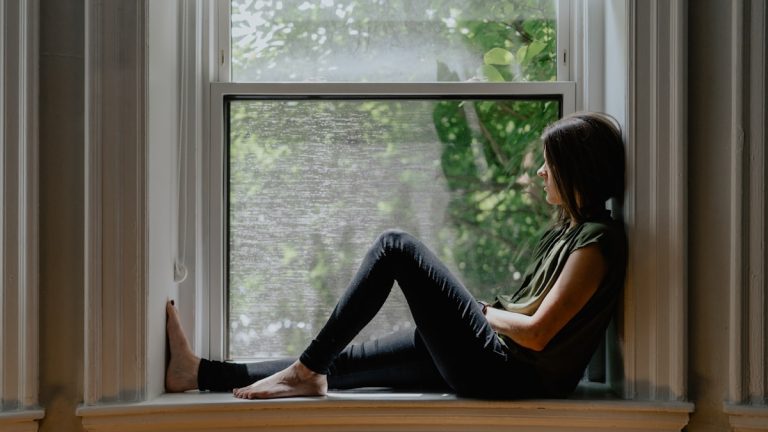
Maya deleted the apps on a Sunday night after a familiar ritual: forty minutes of swiping, three new matches, two conversations that died at “hey,” and a low, grey feeling she could not name. She was not unlucky in love. She was tired in a very specific, very modern way, and the data says she is far from alone.
What dating app fatigue really is
Dating app fatigue is the sense of emotional depletion, cynicism, and detachment that comes from prolonged app use. It is burnout applied to romance. The symptoms look like dread before opening the app, going through matches on autopilot, and a growing belief that everyone out there is a disappointment.
What makes it distinct from ordinary dating frustration is the machinery behind it. Apps turn courtship into a high-volume, low-signal task, and human beings were never built to evaluate hundreds of candidates for something as intimate as a partner.
Traditional dating unfolded slowly, through a handful of people met in shared contexts over months. Apps compress that into a torrent of faces judged in seconds, stripped of tone, warmth, and context. The mismatch between how we evolved to bond and how the interface asks us to choose is exactly where the tiredness comes from.
How common is dating app fatigue?
Very. Around three in ten U.S. adults have used a dating site or app, according to Pew Research Center, and only about half of them describe their overall experience as positive. Among active users, dating app fatigue is close to universal: the 2024 Forbes Health survey found 78% feel burned out at least sometimes, often, or always.
The burnout is spread remarkably evenly across ages, which tells you it is a feature of the format rather than a quirk of one generation.
Women report dating app fatigue slightly more than men, 80% versus 74%, and the causes cluster around a handful of predictable frustrations.
| What drives dating app fatigue | Share of users citing it |
|---|---|
| Being ghosted | 41% |
| Never finding a real connection | 40% |
| Being catfished or misled | 38% |
| Endless, repetitive swiping | 22% |
The science of why more choice makes you unhappier
The core driver of dating app fatigue is a well-documented psychological effect called choice overload. In a classic study, shoppers offered a display of 24 jams were far less likely to buy than shoppers shown only 6, and those who did buy from the large set felt less satisfied. More options produced more paralysis and more regret, not more happiness.
The same pattern shows up directly in romance. When researchers had online daters choose from a large versus small pool of partners, those who picked from 24 profiles were less satisfied with their choice a week later, and more likely to want to reverse it, than those who chose from 6. Abundance quietly erodes commitment. Every profile becomes a reason to wonder whether someone better is one more swipe away.

An infinite feed of options makes any single choice feel provisional. Photo: Omar Lopez-Rincon / Unsplash.
The signs you have dating app fatigue
Dating app fatigue creeps in slowly. You might notice you swipe without really reading profiles, feel a flash of irritation when a match messages you, or keep dates at arm’s length because starting over feels easier than getting invested.
Other hallmarks include comparing every match against an imaginary better option, ghosting people you actually liked because your energy is spent, and a creeping cynicism that leaks into how you talk about dating altogether. If swiping has started to feel like an unpaid part-time job, that is dating app fatigue talking.
Physical signs count too. Many people report actual relief when they close the app, a tension headache after long sessions, or a dip in mood that lingers into the next day. Your body is often the first to register that a supposedly fun activity has curdled into a draining one.
Why the apps are built to keep you swiping
It helps to remember that a dating app’s business model is not your happy relationship; it is your continued attention. Variable rewards, the same mechanism behind slot machines, keep the next match feeling tantalizingly close. The endless feed is a feature, not a bug.
This is not a reason for shame. Dating app fatigue is the predictable result of a system engineered to maximize time-on-app, not depth of connection. Understanding that shifts the blame off you and onto the design. Once you see the slot-machine logic clearly, it becomes much easier to step out of the loop rather than blaming yourself for lacking willpower.

Treating swiping like a chore is a signal to change how you use the apps. Photo: Good Faces Agency / Unsplash.
The hidden cost of swiping on autopilot
Beyond the tiredness, chronic swiping can quietly reshape how you see people. When every person is reduced to a snap judgment, you can start carrying that disposable mindset into real dates, exiting at the first minor flaw instead of letting attraction build. Good relationships often need a few unremarkable meetings before they warm up, which is why it helps to think about how much time real connection actually takes to develop.
The cruel irony is that the behavior meant to find you a partner faster can train the very habits that keep one at bay. Slowing down is not a productivity loss; on the apps, it is often the whole game.
How to beat dating app fatigue without quitting dating
Shrink the pool on purpose
Since abundance is the problem, constraint is the cure. Use one app, not four. Swipe less often but with real attention, and once you match with a few people you like, stop browsing until you have actually met them. A smaller, deliberate pool restores the sense that each person is a real human, not a tile in a grid.
Move to real life faster
Long texting marathons are where dating app fatigue is manufactured. Suggest a short, low-stakes meeting within a week of matching. Chemistry lives in person, and a fifteen-minute coffee tells you more than a hundred messages. Getting to a real conversation about what you both want is far easier face to face.
Set an intention, not a quota
Decide what you are actually looking for before you open the app, whether that is a serious partner or something casual. Naming it protects you from the drift of endless swiping and from the ambiguity of a situationship. Take breaks without guilt, and treat a pause as maintenance, not failure. A week away from the feed often does more for your odds than a week of grim, joyless swiping ever could.
Protect your standards, not your walls
Fatigue tempts you to either settle or armor up. Aim for the middle: stay open-hearted with the few people you choose, while watching for genuine red flags like oversharing that pressures intimacy too soon. Deliberate warmth beats scattered self-protection.
Frequently asked questions about dating app fatigue
Is dating app fatigue a real thing?
Yes. While it is not a clinical diagnosis, it describes a well-recognized pattern of burnout that 78% of users report experiencing, and it maps onto documented research on choice overload and decision fatigue. The exhaustion you feel is real and has an explanation.
Should I quit dating apps entirely to fix dating app fatigue?
Not necessarily. Many people recover simply by using apps more deliberately: fewer platforms, shorter sessions, and faster moves to real-life dates. Quitting can help as a reset, but the deeper fix is changing how you engage, not just whether you do.
How long does dating app fatigue last?
It often lifts within a few weeks of changing your habits or taking a break. Because it is driven by overuse and choice overload rather than by your worth, adjusting the inputs usually adjusts the feeling.
Why do I feel lonelier after using dating apps?
Constant low-quality interaction and comparison can deepen isolation rather than ease it. When most matches lead nowhere, the brain registers repeated small rejections, which is a core engine of dating app fatigue.
If persistent low mood, hopelessness, or loneliness extends beyond dating and into daily life, it is worth talking with a doctor or mental health professional. Dating is meant to add to your life, not deplete it.
Written by
Elena Rostova
Elena Rostova is the byline used for articles published by Relationship 99. It is a pen name, not a licensed clinician. Articles here are built from published research in relationship science - including work by John Gottman, Arthur Aron and researchers in attachment theory - with the studies named in the text so readers can check them. How we research, source and review our articles is set out in full at relationship-99.com/editorial-standards. Relationship 99 is not a therapy service, and nothing here replaces advice from a qualified professional.